


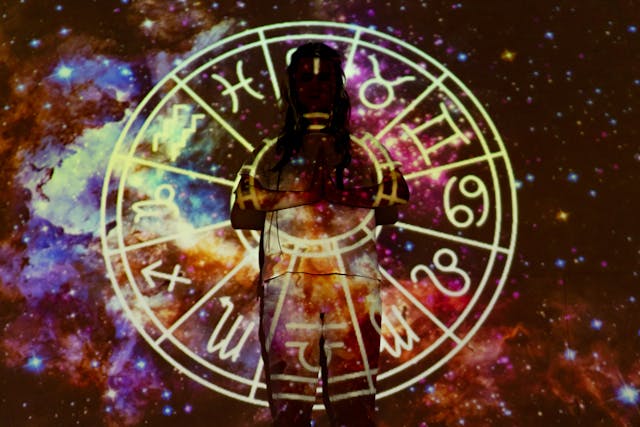
The zodiac is a system used in astrology to divide the sky into twelve sections, each linked to a specific sign. These signs are based on the apparent path of the Sun as it moves across the sky over the course of a year.
This path is known as the ecliptic. As the Earth orbits the Sun, the Sun appears to move through different parts of the sky, passing through each of the twelve zodiac signs in sequence. This cycle repeats every year.
The Twelve Zodiac Signs
- Aries
- Taurus
- Gemini
- Cancer
- Leo
- Virgo
- Libra
- Scorpio
- Sagittarius
- Capricorn
- Aquarius
- Pisces
Each sign covers a specific time of year and is associated with a particular set of traits and characteristics. These are what form the basis of what most people recognise as their star sign.
What the Zodiac Represents
The zodiac is not just a list of signs. It is a structure that helps organise how astrology works.
It connects:
- the movement of the Sun
- the position of the planets
- the timing of seasons
Each sign represents a different way of expressing energy. When a planet moves through a sign, its influence is shaped by the qualities of that sign.
For example:
- Mars in Aries is direct and forceful
- Mars in Libra is more measured and balanced
The zodiac provides the framework that allows these differences to exist.
How the Zodiac Relates to Star Signs
Your star sign is based on the position of the Sun at the time you were born. This is why it is often referred to as your Sun sign.
For example:
- if the Sun was in Leo when you were born, your star sign is Leo
- if the Sun was in Virgo, your star sign is Virgo
However, the Sun is only one part of the chart. The zodiac also applies to the Moon and all the planets, each of which will be in a different sign.
Zodiac Modalities: Cardinal, Fixed, and Mutable »
The Zodiac and the Seasons
The zodiac is closely linked to the seasons. Each sign begins when the Sun enters a new section of the zodiac, known as an ingress.
For example:
- Aries begins at the March equinox
- Cancer begins at the June solstice
- Libra begins at the September equinox
- Capricorn begins at the December solstice
This connection to seasonal change is a key part of how astrology is structured.
Astrological Elements: Fire Earth Air Water »
Why the Zodiac Matters
The zodiac provides the foundation for all astrological interpretation. Without it, there would be no system for understanding how planetary positions differ from one moment to another.
It allows astrologers to:
- track planetary movement
- interpret personality traits
- understand timing and cycles
Every chart, forecast, and horoscope is built on this structure.
Common Misunderstandings
A common misunderstanding is that the zodiac is the same as constellations. In modern astrology, the zodiac is a symbolic system based on equal divisions of the sky, not the exact position of star patterns.
Another misconception is that your zodiac sign defines everything about you. In reality, it is only one part of a larger system that includes planets, houses, and aspects.
How Planets, Signs, and Houses Work Together in a Birth Chart »
A Practical Way to Think About It
A simple way to understand the zodiac is to see it as a framework.
The zodiac divides the sky into twelve parts.
The planets move through those parts.
Your birth chart records where everything was at the moment you were born.
This is what allows astrology to describe patterns in personality and experience.
 Aries
Aries Taurus
 Gemini
 Cancer
 Leo
Leo Virgo
Virgo Libra
Libra Scorpio
 Sagittarius
 Capricorn
 Aquarius
 Pisces