


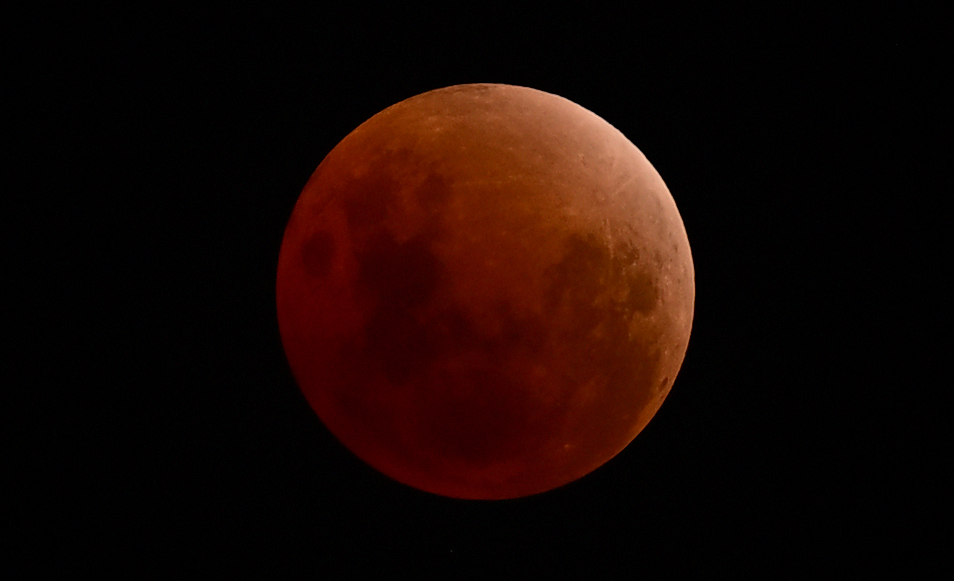
2027 Eclipses
There are five eclipses during 2027, with two solar eclipses and three lunar eclipses spread across February, July and August. The year begins with a pair of eclipses in February before an unusual lunar eclipse in July opens a second eclipse period. August then brings the most important eclipse activity of the year, with a Solar Eclipse in Leo followed just over two weeks later by a Lunar Eclipse in Pisces.
- February 6, 2027 – Solar Eclipse in Aquarius
- February 20, 2027 – Lunar Eclipse in Virgo
- July 19, 2027 – Lunar Eclipse in Aquarius
- August 2, 2027 – Solar Eclipse in Leo
- August 17, 2027 – Lunar Eclipse in Pisces
Astrologically, eclipses are some of the most noticeable events in the calendar because they take the familiar rhythm of the New Moon and Full Moon and give it greater significance. Solar eclipses occur around a New Moon, while lunar eclipses occur around a Full Moon. They can bring turning points, endings and changes of direction, although the meaning of each eclipse depends heavily on the zodiac signs involved.
The first eclipse of 2027 arrives on February 6, with a Solar Eclipse in Aquarius. The Sun is at approximately 19 degrees Aquarius, while the Moon is also travelling through Aquarius. This puts the emphasis firmly on Aquarius themes and begins the year's first eclipse period. Aquarius is associated with independence, different ways of thinking and looking beyond established expectations, making this an eclipse that can encourage people to reconsider where they are going and why.
The second eclipse follows on February 20, when there is a Lunar Eclipse in Virgo. By this point the Sun has entered Pisces and the Moon moves into Virgo during the day. This creates the familiar opposition between Pisces and Virgo, two signs that approach life from very different directions. Virgo wants to know what works in practice, while Pisces is more willing to follow instinct. An eclipse across these signs can expose the difference between what we imagine should happen and what is actually happening.
There is then a long break before the next eclipse on July 19. This is a Lunar Eclipse in Aquarius, occurring as the Full Moon moves through Aquarius with the Sun still in Cancer. This is an unusual and extremely slight eclipse, but it is nevertheless part of the 2027 eclipse calendar and is included in our ephemeris data. Astrologically, Aquarius once again becomes important, returning us to some of the themes first raised by the February Solar Eclipse.
Only two weeks later comes the major solar eclipse of the year. On August 2, there is a Solar Eclipse in Leo, with the Sun at approximately 11 degrees Leo and the New Moon also travelling through Leo. Leo is concerned with individuality, confidence, creativity and the desire to be recognised for what we can do. A Solar Eclipse here can mark a powerful change in direction, particularly where someone has been waiting for permission or reassurance before taking the lead.
The final eclipse of 2027 occurs on August 17, when there is a Lunar Eclipse in Pisces. The Sun remains in Leo while the Full Moon moves from Aquarius into Pisces during the day, and the eclipse is identified with Pisces in the ephemeris. Pisces brings a very different atmosphere from the confidence of the Leo Solar Eclipse two weeks earlier. What seemed straightforward at the beginning of August can now become more complicated as feelings, instincts and unanswered questions enter the picture.
The pattern of the year is particularly interesting because several signs appear more than once. Aquarius is involved in both the February 6 Solar Eclipse and July 19 Lunar Eclipse, while the later eclipses move the emphasis towards Leo and Pisces. Rather than five completely separate events, the eclipse calendar can therefore be read as a sequence in which subjects introduced earlier in the year can return in a different form several months later.
The two solar eclipses are especially useful markers. The Aquarius Solar Eclipse on February 6 begins one chapter, while the Leo Solar Eclipse on August 2 places the emphasis on the opposite side of the zodiac. Aquarius looks towards groups, shared ideas and the wider world, while Leo is much more personal. The contrast between them asks where we belong, but also where we need to stand apart and be ourselves.
The three lunar eclipses work differently. Lunar eclipses tend to reveal what has already been developing rather than simply beginning something new. The Virgo Lunar Eclipse on February 20 can make practical realities difficult to ignore. The extremely slight Aquarius Lunar Eclipse on July 19 briefly returns attention to Aquarius, before the Pisces Lunar Eclipse on August 17 closes the year's eclipse sequence with a much more intuitive and reflective influence.
For anyone following their own horoscope throughout 2027, the most useful approach is to watch where Aquarius, Virgo, Leo and Pisces fall in the birth chart. You do not need an eclipse to fall directly on a natal planet for it to be noticeable, but eclipses close to important natal positions can make their themes much more personal.
The 2027 eclipse calendar is also unusually concentrated. After the two February eclipses there are no further eclipses until July, and then three eclipses occur between July 19 and August 17. This makes late July and August the most concentrated eclipse period of the year.
The complete sequence is therefore February 6 Solar Eclipse in Aquarius, February 20 Lunar Eclipse in Virgo, July 19 Lunar Eclipse in Aquarius, August 2 Solar Eclipse in Leo and August 17 Lunar Eclipse in Pisces. Together they form one of the major astrological threads running through 2027, with Aquarius appearing at both the beginning and the middle of the story before the powerful Leo and Pisces eclipses bring the year's eclipse cycle to a close.
 Aries
Aries Taurus
 Gemini
 Cancer
 Leo
Leo Virgo
Virgo Libra
Libra Scorpio
 Sagittarius
 Capricorn
 Aquarius
 Pisces